Table of contents
Can a hotel tell you more about a city than a museum wall label ever could? As travelers chase “authenticity” and cities compete for attention, boutique hotels have become unexpected cultural intermediaries, commissioning local artists, curating neighborhood itineraries, and turning lobbies into miniature galleries. The shift is not anecdotal: the global boutique hotel market was valued at about USD 90.3 billion in 2023 and is projected to reach roughly USD 142.8 billion by 2032, according to industry forecasts, a sign that demand is rising for places that feel designed, personal, and rooted in their surroundings.
From lobby to gallery, creativity moves in
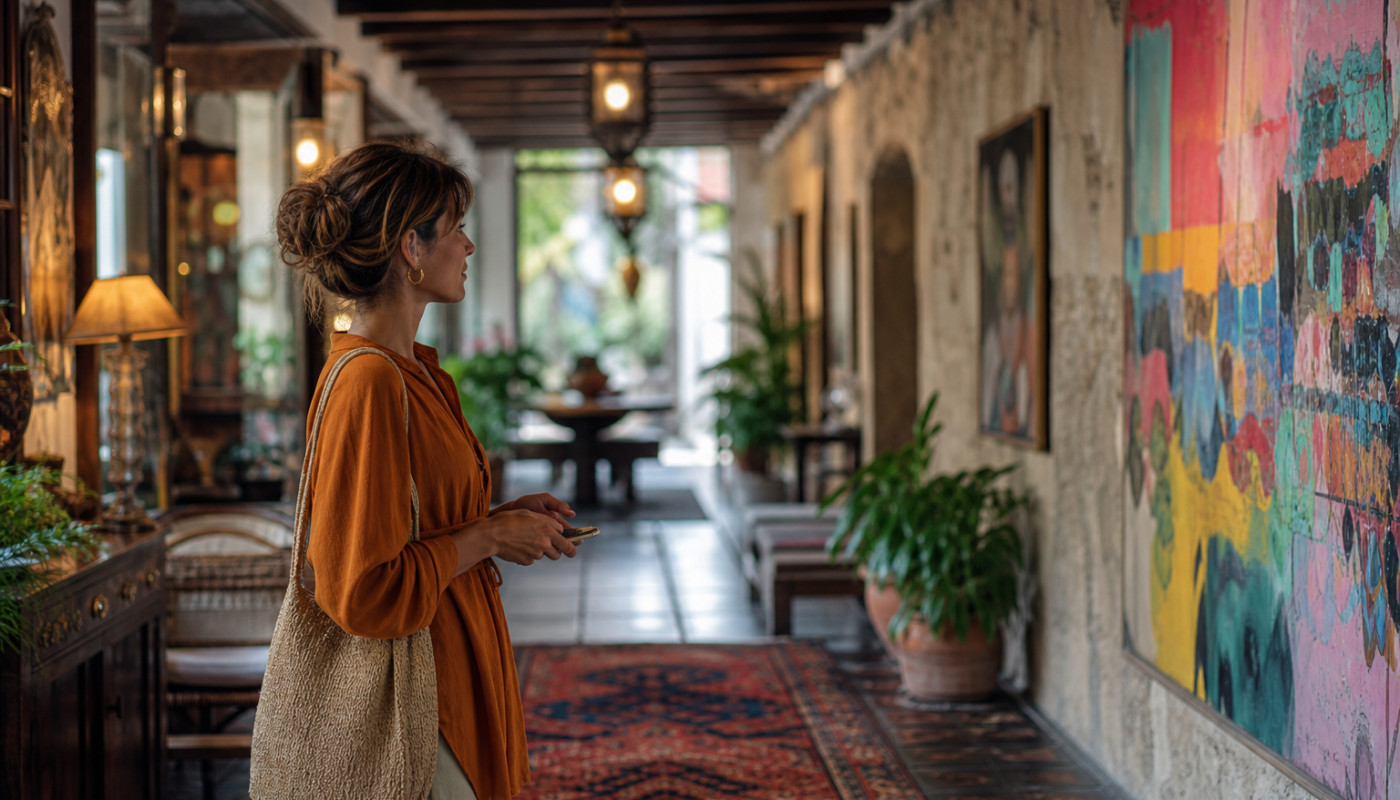
Step into many new boutique properties and the first thing you notice is not the check-in desk, but the wall. Murals, installations, limited-edition prints, and small-run ceramics increasingly serve as a hotel’s calling card, and for cities, that matters because the visitor’s first “cultural encounter” may now happen before they even drop a suitcase. This is more than aesthetic signaling: hotels with strong design narratives often collaborate with local studios, framing artwork with context and credit, and in some cases hosting openings that draw residents as well as guests, which helps blur the line between tourism infrastructure and cultural venue.
The economics help explain why this is spreading. Cultural tourism is big business, with the UN World Tourism Organization long noting that culture is among the strongest travel motivations, and the hotel sector has learned to translate that into experience-led differentiation. Rather than competing on room size or a generic amenity list, boutique operators compete on story, and story is built from local craft, neighborhood history, and contemporary design. In practice, that can mean partnerships with independent galleries, rotating exhibits tied to seasonal festivals, and retail corners that function like concept stores, where guests can buy objects made a few blocks away, then leave with something more specific than a keycard sleeve: a sense of place.
Design tells you where to look outside
Here is the quiet trick boutique hotels have mastered: they do not only show creativity, they point to it. The most effective properties act like urban editors, translating a city’s cultural sprawl into a short, confident list, and that curation is increasingly what travelers are paying for. Data suggests why. Euromonitor and other travel analysts have tracked the rise of “experience-first” spending patterns, while major booking platforms have reported sustained demand for “unique stays” and neighborhood-based travel. When travelers arrive with limited time, a well-curated set of recommendations can be as valuable as a room upgrade, and design-forward hotels lean into that role because it keeps guests in the ecosystem, and it builds loyalty.
It also changes the geography of tourism. Instead of funneling everyone toward the same landmark district, boutique hotels frequently anchor in areas where rents are lower and local identity is stronger, then sell that proximity as an advantage. Their maps and concierge lists tend to favor independent coffee bars, small music venues, bookstores, and studio workshops, and by doing so they can redistribute visitor footfall. Cities like Lisbon, Mexico City, and Copenhagen have seen travelers increasingly gravitate toward residential neighborhoods, and while overtourism pressures differ by place, the pattern is consistent: guests want to feel they have discovered something. A hotel that embeds local makers into its identity becomes a shortcut to that feeling, and it can make unfamiliar streets seem navigable, safe, and worth lingering in.
The “hidden” scene is not always hidden
There is a risk in the romance of discovery: calling something “hidden creativity” can flatten the reality that many scenes are well-known to locals, and sometimes vulnerable to being priced out. Boutique hotels can amplify artists and businesses, but they can also accelerate a neighborhood’s desirability, and with it, rent pressure. Urban researchers have long debated tourism-led change, and while a single hotel does not remake a district alone, the cumulative effect of lifestyle branding, social media visibility, and short-term demand can be powerful. The very ingredients that make an area feel authentic, informal, and experimental can become the ones that attract capital, and then the question becomes who benefits from the attention.
That is why the most credible boutique operators increasingly talk about commissioning rather than merely “featuring” local work. Paying artists fairly, crediting them prominently, and building partnerships that last beyond a single season are the difference between cultural participation and cultural extraction. Some properties formalize these choices with artist-in-residence programs, collaborations with local art schools, and revenue-sharing models for in-house retail. Others partner with neighborhood organizations or source food and materials locally to keep more of the tourist euro or dollar in the area. For travelers, the practical takeaway is simple: if a hotel presents itself as a cultural portal, it should be able to show its receipts, name its collaborators, and explain how it contributes to the scene it claims to celebrate.
Planning a creative trip, without missing the city
So how do you actually use a boutique hotel as a lens, rather than a bubble? Start by treating the property like a briefing, not a destination. Ask who designed the interiors and where they work, which galleries or studios the hotel collaborates with, and what neighborhoods staff spend time in on their days off; a good team answers with specifics, not slogans. Then build your itinerary around time blocks that match how cities behave: mornings for markets and cafés, afternoons for museums or studio visits, evenings for small venues, and late hours for the streets that feel alive after dinner. Boutique hotels can be excellent at stitching these segments together, especially in cities where transit is confusing or cultural venues are dispersed.
For travelers who want that kind of locally tuned structure in Toronto, planning tools and curated options can help reduce guesswork, especially when you are balancing big-ticket classics with smaller creative stops. Resources like https://www.toronto-escape.com/ can be useful for shaping an itinerary that moves beyond the obvious, and for spotting the small details that make a city’s creative life legible: the independent neighborhoods, seasonal events, and practical logistics that determine what you can actually fit into a day. The point is not to collect “hidden gems” like trophies, but to spend time where creativity is lived, whether that is a design market, a community festival, or a late-night show in a room that holds 120 people.
Book with intent, travel with a budget
Reserve early for peak weekends and festival periods, and compare refundable rates if your schedule may shift. Set a daily cap for culture spending, because tickets, transit, and meals add up quickly, and look for city passes or off-peak entry deals when available. If you qualify, check student, senior, and resident discounts at major venues, then leave room in the budget for small purchases directly from makers.
Similar articles